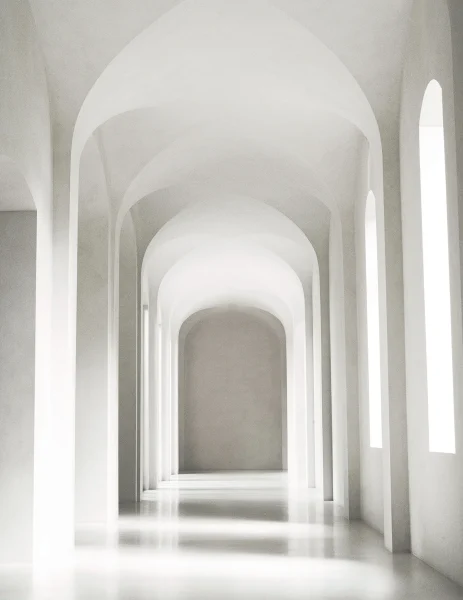
Ever since the early 1960s-1970s, minimalism has been the main style most people prefer, usually consisting of neutral colors like beiges and whites. However, in recent years, this style is labeled as “modern” or “futuristic.” This particular aesthetic can be found anywhere, whether in architecture or clothing. It is loved for its simplicity, sophistication, and calming tone. Although, if it conveys an empty perspective, it can start to look bleak, making people desire for a touch or pop of color. The idea of this desire is called aggressive minimalism.
In an article by Milton Miller on the Great Lakes Tiny Homes website, he defines aggressive minimalism as “living as simply as possible while removing every superfluous thing from one’s life.” An example of this in architecture is the house design of the famous American media personality, Kim Kardashian, whose house contains all white walls, rounded arches, and on top of it all, a tall ceiling. A complete 360 of most family homes. The property is a prime example of aggressive minimalism due to its lack of decor or furniture; this aligns with Miller’s belief that very extreme minimalists may own only 15 items or less.
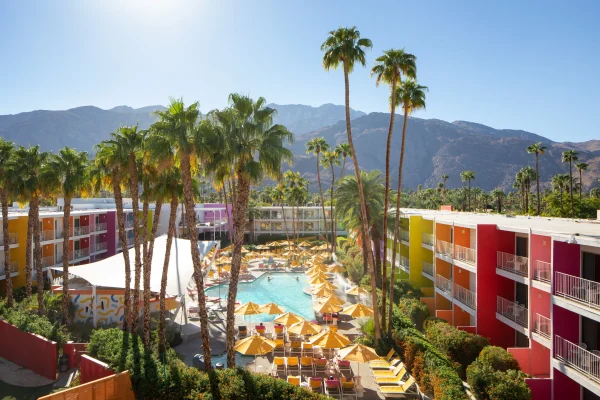
When the 80s began, maximalism became prominent though it is the complete opposite to minimalism. While minimalism is praised for its simplicity through basic color palettes, maximalism thrives in bright color palettes and dynamic shapes. An example of this is The Saguaro Palm Springs Hotel, also known as the Rainbow Hotel located in Palm Springs, California. The original architects for the hotel are the duo of Peter Stamberg and Paul Aferiat. According to Design Milk, “Stamberg and Aferiat based the smoking hot color palette on indigenous wildflowers in the region. The vivid façade features hues of green, yellow, orange, and pink, colors that are also echoed in the interior, along with healthy doses of red, purple, and blue.” These lively design choices make the hotel pop in the beige, sandy town of Palm Springs. However, a recent article in Forbes described the architectural maximalism of today as having “more purposeful edge” compared to buildings such as the Rainbow Hotel. In the article, the Flairhunter’s CEO, Stephanie Hunt, elaborated, “The trend is now about intentionally curating meaningful objects into living spaces rather than simply layering more stuff.” Hunt also talks about the rise of popularity of houseplants in the current maximalism style, predicting that the trend will shift from having houseplants as a decoration piece to people having a reconnection to nature through architecture and home design.
Furthermore, the maximalism movement effects fashion too. Having a big moment in the 80s, one might recognize the era for its funky and fun fashions, like bold colors and silhouettes inspired by the MTV stars like 80’s popstar Cyndi Lauper. She’s best known for her music and eccentric bright fashion. According to an article by Vogue, where they explain how one can channel her style, they present her as, “A thrift store queen beamed into the living rooms of the MTV generation.” The maximalism fashion wasn’t just for celebrities though, it applied to everyday people as well. For example, a popular hairstyle during that era were exaggerated poofy updos, which are very different from a popular slick back that most people wear today. The use of big hairstyles with bold outfits were often worn to present confidence.
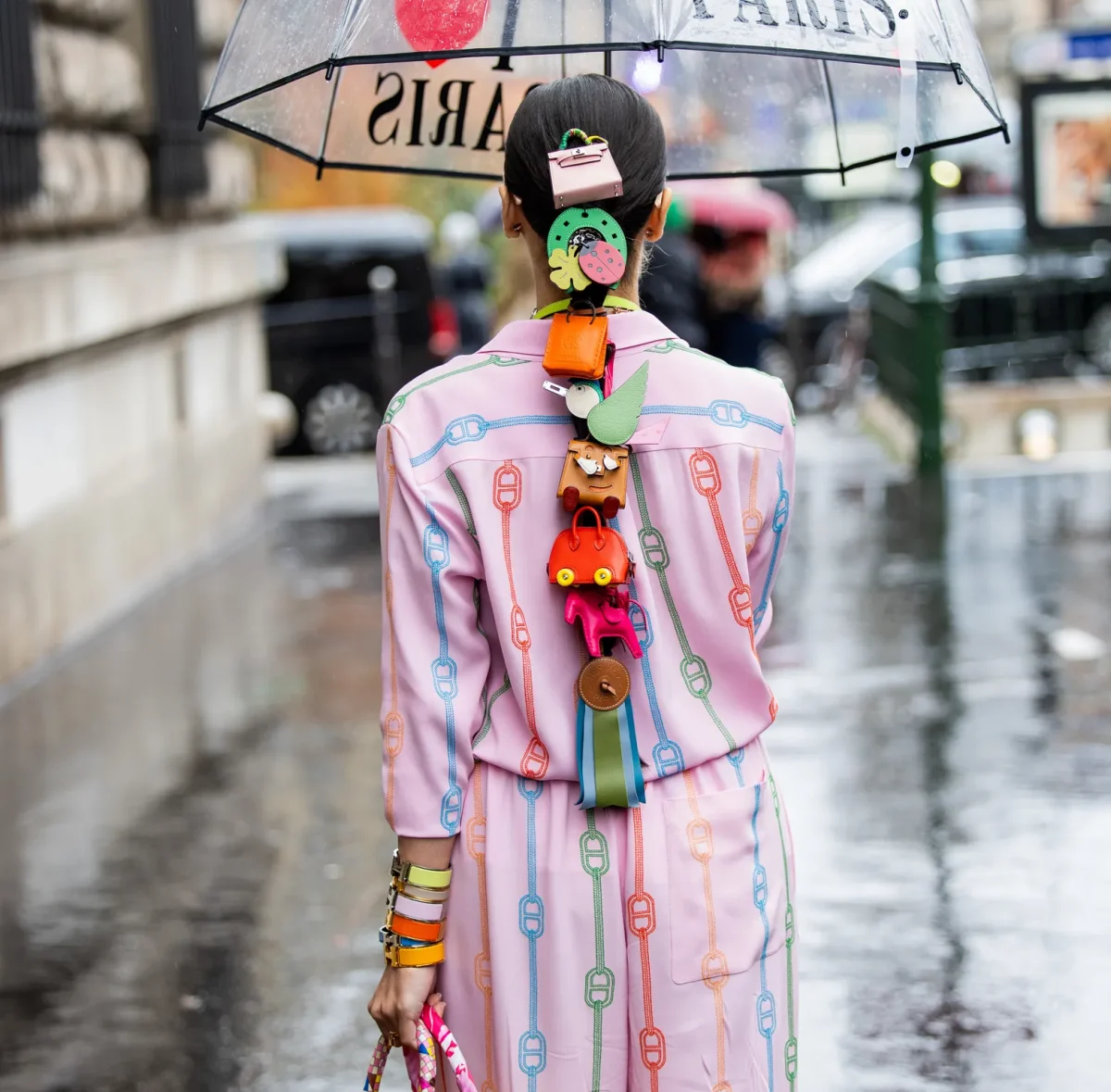
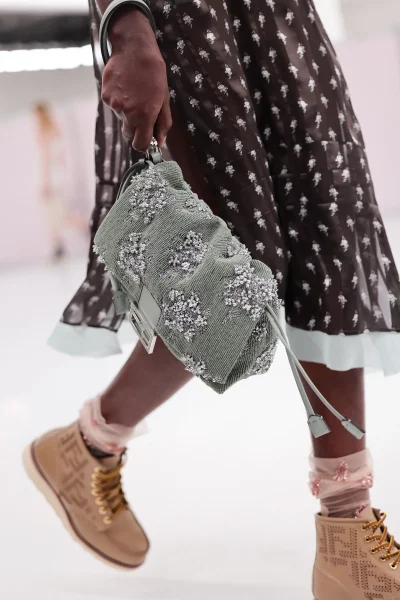
Continuing on maximalisms comeback to popularity, recent shifts in style have begun showing up more prominently in the fashion industry. With more diverse design patterns like dots or stripes becoming more common to see. A comment from Vogue Arabia’s article talking about the Spring/Summer 2025 runway describing the debuts of dramatic prints and oversized silhouettes. They describe the specific details on the models outfits, such as a Fendi‘s pearl embellished socks. This may not seem like a big of a deal but, it shows the shift from simple fashion designs, to designs with original character.
These changes are not only seen in the real world but also in the digital world. The word aesthetic defined by Merriam-Webster is “artistic or beautiful qualities of something.” However, in recent years aesthetics has been turned into slang used by online communities. Aesthetics in today’s meaning usually refers to a specific style of dressing or lifestyle that is aesthetically appealing; these concepts are often based on art or periods in time. Aesthetics like Frutiger Aero becoming more popular, a style commemorating the 2000s to early 2010s. It has stylistic design choices of bright colors and glassy textures. These styles are very influenced by Apple technology produced in those eras, such as the iPod nano or the colorful original iMacs. Likewise, they thrive on the feelings of nostalgia, and this may be why a contributor to the origin of Frutiger Aero is the 2006 Windows Aero GUI (Graphical User Interface). As described by Lenovo, the computer GUI is remembered for its “sleek, glass-like window borders and subtle animations that bring a more fluid and visually appealing experience to the desktop.” An example of design changes in technology is the Ios 26 update for Apple devices introducing a liquid glass texture for app icons, the homepage screen clock, and the basic menus. Apple’s new shift is making more colorful options on device appearances. A good case of this is the color option citrus for the newly released Macbook Neo described by Apple as “an amazing Mac at a surprising price. With a durable design, beautiful colors, and powerful features, it’s a magical new way to fall head over heels with Mac every day.” Now compare that with the original 2006 Macbook that only came in a white and black option: what a difference!
As new fashion trends or new buildings are being built, notice the stylistic changes. This will point to the overall changes going on constantly in the world of style and design and should inform one’s choice and style to be a part of it.