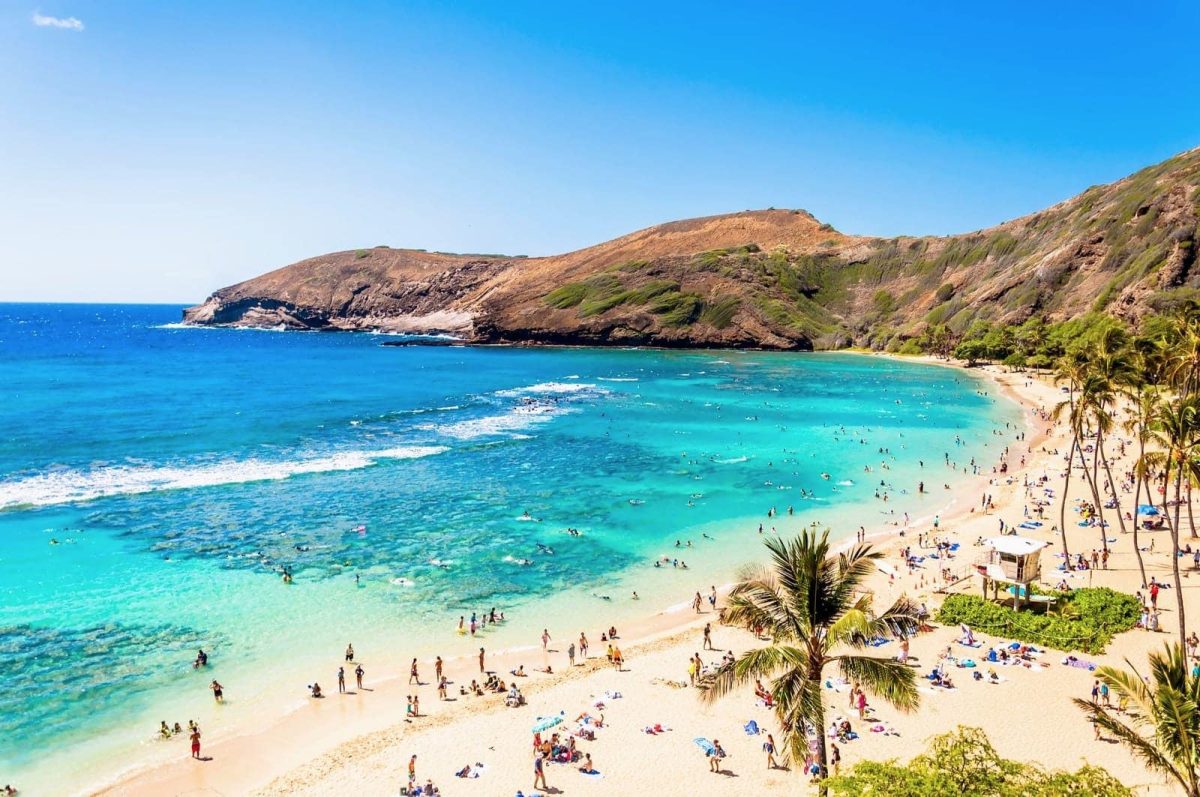
The Hawaiian island of Oʻahu (pronounced) -“ow-aa-hoo”experienced severe flooding on March 21, 2026, when a powerful storm system brought intense rainfall across the island in a short period of time. The flooding began as heavy rain and quickly turned into dangerous conditions as water started rising across neighborhoods, covering streets and making travel difficult. Instead of easing up, the storm created fast changing conditions that disrupted daily life. The timing made the situation more stressful since many residents were in the middle of normal routines when the flooding began. Some families had to leave their home quickly while others stayed inside as water levels continued to rise. Schools, businesses, and public areas were affected, which interrupted daily activities across the island. This event did not just impact the environment; it affected how people lived and moved throughout the day. In some areas, water reached doorsteps and began entering homes, forcing residents to act quickly. In addition, power outages were reported in certain neighborhoods, which made the situation even more difficult for families. People had to deal with both flooding and limited access to basic services at the same time. For many residents, this was one of the most intense storms they had experienced in years. The fast pace of the flooding made it feel unpredictable and hard to control. Overall, the situation felt overwhelming for many people trying to stay safe.
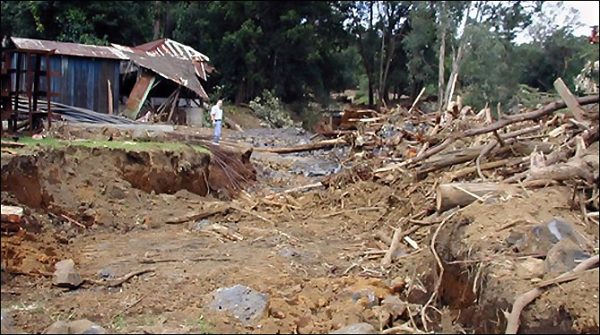
The flooding was mainly caused by a strong storm system that moved slowly enough to release a large amount of rain over the same area. Because the rain fell so heavily and quickly, the ground could not absorb it; therefore, water began collecting on the surface almost immediately. Oʻahu’s landscape made the situation worse since water naturally flows from higher areas down into neighborhoods and city streets. Even places that do not usually experience flooding ended up dealing with rising water. Drainage systems struggled to keep up with the sudden volume, which caused water to build up even more. Debris and blocked drains made it harder for water to flow away properly. Both natural conditions and infrastructure challenges played a major role in how severe the flooding became. Another issue was how quickly water moved through certain areas, which increased the risk of damage. Narrow streets and tightly built neighborhoods made it harder for water to spread out evenly. Instead of draining away, water collected in certain spots and stayed there longer. This created deeper flooding in some areas compared to others. Once water settled, it took longer to clear out completely. The effects of the storm lasted even after the rain began to slow down.
As the flooding spread across the island, emergency crews responded to multiple calls for help. Rescue teams worked through flooded streets to assist people who were trapped in their homes or stranded in vehicles. Some areas saw water levels rise very quickly, leaving little time for people to react or move to safer locations. Certain neighborhoods were affected more than others, especially lower elevation areas or places with weaker drainage systems. The impact was uneven, with some communities facing more serious risks. Road closures made it harder for emergency services to reach certain areas quickly. Strong water flow made rescue efforts more dangerous and complicated. Coordination between emergency teams became extremely important during this time. In some cases, responders had to carefully plan how to enter flooded areas safely. Communication between teams helped improve response times. Teamwork played a key role in managing the situation. This showed how important emergency planning is during natural disasters.
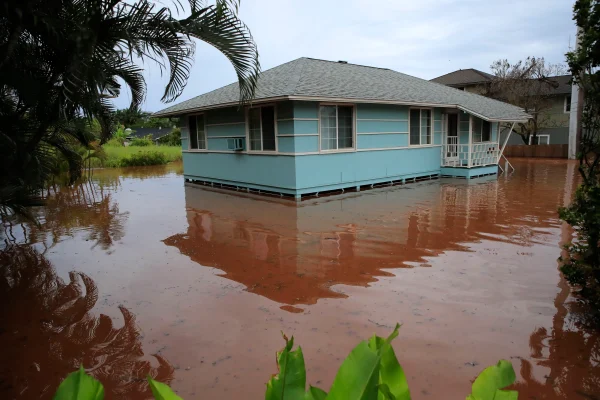
The damage from the flooding has been estimated at close to $1 billion, showing how serious the impact was across the island. Homes were flooded, roads were damaged, and essential systems like electricity and drainage needed repairs. Transportation was disrupted, including operations at Daniel K. Inouye International Airport, a popular airport in Hawaii, where heavy rain and flooding led to delays and travel interruptions. The effects extended beyond neighborhoods and also affected people trying to travel to and from the island. Activity at the Port of Honolulu, one of the island’s main shipping and import centers, was impacted, which slowed the movement of goods and caused delays in deliveries. This made it harder for some businesses to keep up with normal operations. Many businesses had to close temporarily, and some may take time to reopen as they recover from damage and lost income. The financial impact continues even after the water has cleared. Furthermore, not all residents have full insurance coverage, which makes rebuilding more challenging for some families, meaning recovery could take months as people work to repair their homes and get back to normal.
This situation also connects to a bigger pattern that people have started to notice over time. Storms that bring heavy rain in a short amount of time are happening more often, which raises concerns about what could happen in the future. This shows how important it is to improve systems like drainage and flood control so they can handle stronger storms. While this flooding caused serious damage, it also shows what needs to be improved moving forward. Communities may benefit from better warning systems and faster emergency response planning. Helping people understand how to react during flooding can make a big difference. Being prepared ahead of time can help reduce risks and keep people safer.
Ultimately, the flooding on Oʻahu on March 21, 2026, showed how quickly everyday conditions can shift and how easily routines can be disrupted. It also highlights the need for stronger systems, better planning, and more awareness, so communities are not caught off guard again. While recovery will take time, this event leaves behind an important reminder about being prepared and responding quickly when situations like this happen.
Sources:
- https://www.theguardian.com/us-news/2026/mar/23/hawaii-flooding-oahu-maui
- https://www.hawaiinewsnow.com/2026/03/24/governor-requests-federal-support-kona-low-flooding-spreads-across-oahu/
- https://www.cnn.com/2026/03/20/weather/hawaii-flooding-oahu-climate