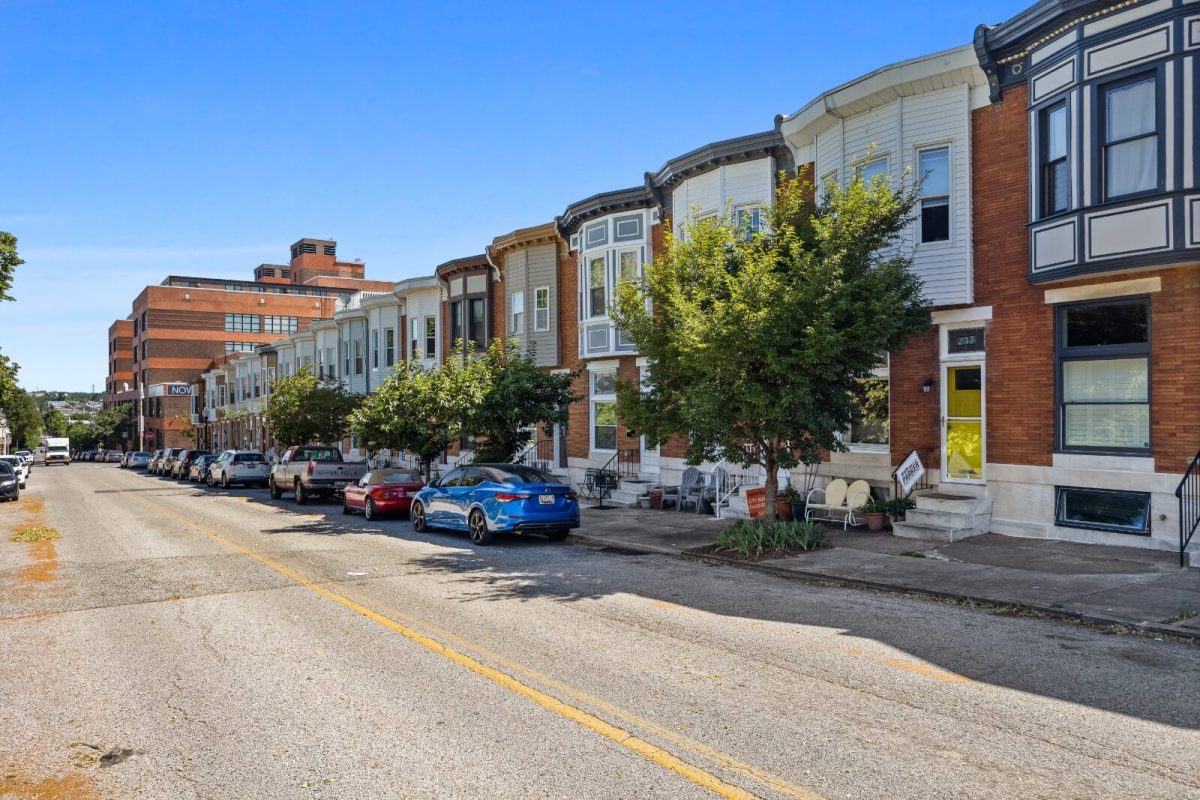
Baltimore, Maryland continues to face public safety concerns that influence how people move through their daily routines. Known for its culture and strong community identity, the city still deals with challenges that affect how comfortable residents feel in different areas. People often make small adjustments throughout the day, like choosing well lit routes or staying in familiar places. These decisions may seem simple, yet they reflect a deeper awareness that has become part of everyday life. Local businesses notice these patterns too, since customer activity can change depending on how secure an area feels. Over time, this shapes how certain parts of the city are used and how active they remain. In many ways, safety becomes something people think about without even realizing it, especially during normal daily activities. Some residents rely more on routines that feel predictable, while others stay more alert when moving through unfamiliar areas. This constant awareness can influence how long people stay out or where they choose to spend their time. It can even affect how often people take part in events or activities around the city. As a result, everyday habits begin to shift in subtle but noticeable ways.
The reasons behind these concerns are connected to long term conditions that have developed over time. Differences in income, access to stable employment, and available resources vary across neighborhoods, which can influence outcomes in different areas. When some communities have fewer opportunities or support systems, challenges can become more difficult to manage. Access to education, housing, and local programs can make a difference, yet these resources are not always evenly available. The structure of the city can add another layer, especially in areas where population density is higher. Because of this, public safety is shaped by multiple factors working together rather than a single cause. Progress can take time, since improving these conditions often requires consistent effort. In some areas, limited investment has made it harder to see change quickly, and keeps these issues present. Over time, these gaps can create different experiences depending on where someone lives. Some neighborhoods may show signs of improvement, while others continue to face ongoing challenges. This uneven progress makes it harder to address the issue as a whole. It shows how deeply connected these concerns are to broader conditions within the city.
For many residents, the impact shows up in the way they experience everyday moments. Activities like walking to a store, visiting a park, or spending time outside can feel different depending on the area. Families often think carefully about where they spend time, especially when children are involved. These decisions can influence routines, from after school plans to weekend activities. Businesses may see fewer visitors in certain areas and this affects how those spaces develop over time. Public areas can feel less active, changing the overall atmosphere of a neighborhood. As these patterns continue, differences between areas become more noticeable. Some places feel more open and busy, while others remain quieter and less used. In some cases, people choose to travel to other parts of the city for shopping or entertainment. This can shift activity away from certain neighborhoods and change how they function. It can even impact how connected people feel to their local area. Over time, this affects not just individuals, but the overall sense of community.
Efforts to improve safety are ongoing and involve different parts of the community. Local organizations, leaders, and public safety groups continue working on ways to support neighborhoods. Programs that focus on youth involvement, job access, and community development are part of these efforts. The goal is to create long term improvement rather than only responding to immediate problems. In many cases, progress comes from people working together within their own neighborhoods. Building trust and creating a stronger sense of connection takes time, though consistent steps can lead to real results. In some areas, these efforts have helped bring people together and strengthen community ties. Over time, this can help create a more stable and supportive environment. New initiatives in certain neighborhoods have started to show small signs of progress. Community involvement continues to play a key role in these efforts. When residents take part in local changes, the results can feel more meaningful and lasting. These steps, even when small, help build a foundation for long term improvement.
In conclusion, Baltimore continues to deal with public safety challenges that shape how people live and move through the city each day. At the same time, ongoing efforts and long term planning show that change is possible with consistent support and attention. While progress may take time, there is a clear path toward stronger communities and a more stable future.
- https://www.cbsnews.com/baltimore/news/maryland-public-safety-federal-hill-crime/
- https://foxbaltimore.com/news/local/baltimore-ranked-third-most-dangerous-us-city-crime-index
- https://www.dundalkeagle.com/news/trust-is-low-for-baltimore-county-residents-umbc-poll-reveals/article_4ba68c1d-40ef-4288-8493-ba6cdaf5c6ad.html
- https://wjla.com/news/local/umbc-poll-part-2-compares-baltimore-citycounty-thoughts-on-crime-ice-key-bridge-parks