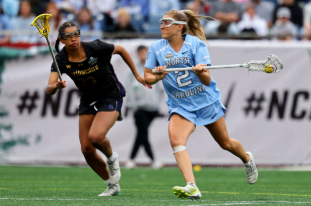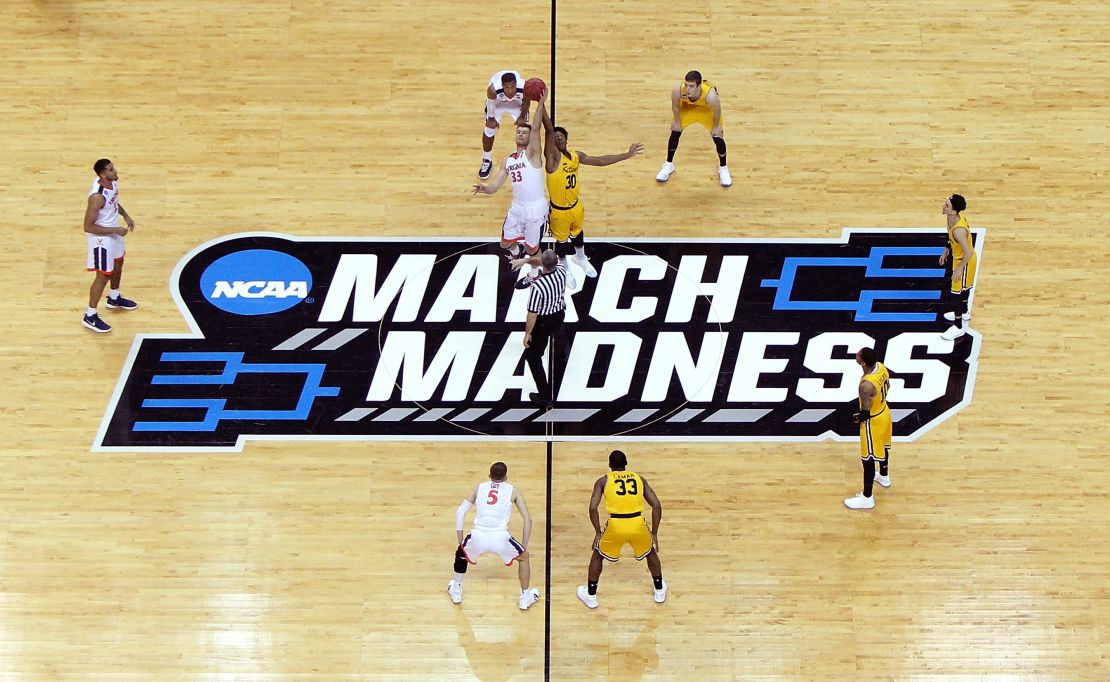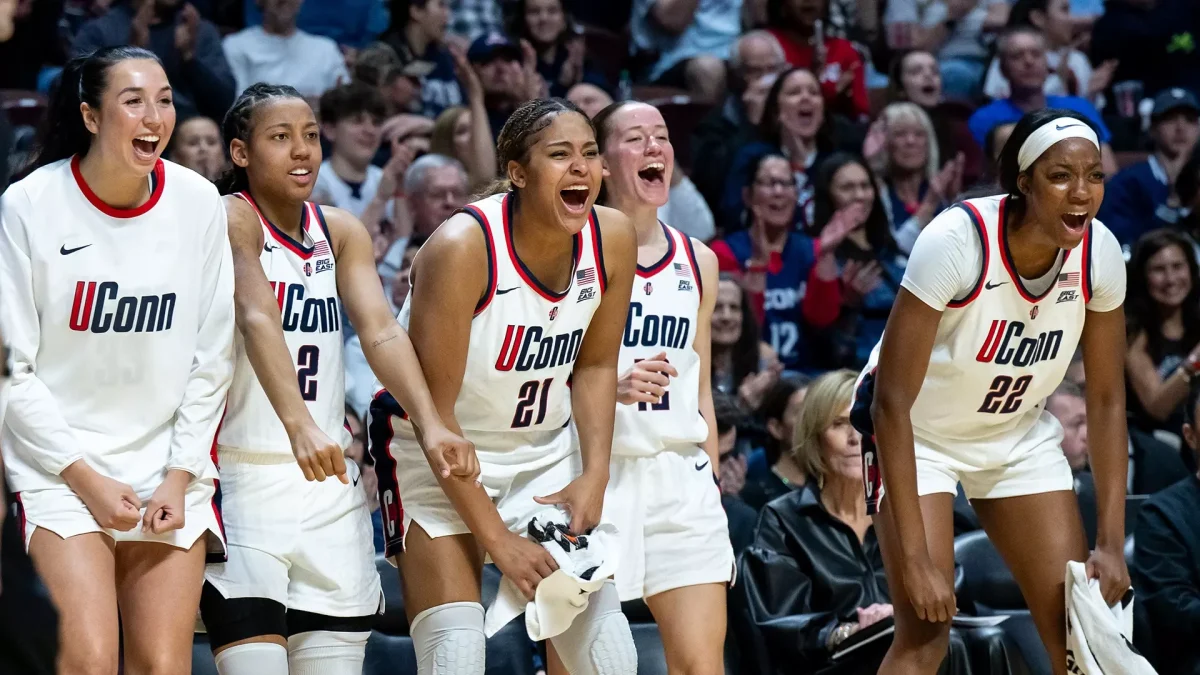
The workouts from the night before leave you tired and worn out. As the teacher opens the lesson plan, the body tries to wake up. The early morning workouts and late night training have become a part of many students’ daily schedules. Student athletes often feel overlooked and misunderstood. While trying to balance the many factors, student athletes often struggle to keep up.
The expectations are set high for many student athletes. All A’s, perfect sports performances, clubs, social life, and perfect life is the expectation athletes feel they need to reach. While trying to make coaches proud, student’ also want to make friends, family, and teachers proud as well. The early morning workouts and late night training happen behind the scenes, and some don’t understand the importance of balance in athletes’ lives. With dedicating so much time, physical, and mental energy to a sport, burnout can often come with it. The let down of losing the passion for a sport can feel real to many. With all of these factors, many athletes get left physically and mentally exhausted.

Opening up about mental health can be hard for young athletes especially. Many don’t want to feel like a letting down others. There is also a social norm, where it is normalized to feel guilty having to reach out to talk to someone. This is not true at all. The National Alliance on Mental Illness talks about the benefits reaching out provides for individuals. Additionally the American Psychological Association explains how talking to a parent, counselor, coach, or even sibling can help athletes with their stress levels overall. Some other resources may include a therapist, school counselor, coach, or psychologist. Regarding resources available, research has shown all of these are beneficial, and one is not “better” than the other. The most important part is that it fits your needs. Overall, there are many resources available to young athletes struggling to keep up with the mental and physical challenges that come along with being a student athlete.
While those are many ways students are able to seek help, how can the people surrounding help? One of the main ways people can help is focusing on the details that go into the daily life of student athletes. Many parents focus on the overall performance and not the long hours of training and effort students are putting in. Reassuring students that effort is better than a win or loss can reduce levels of stress among student athletes. On top of that, boundaries are key for staying on track. Students need a balanced life, whether its nutrition, hydration, sleep, or even social life, parents need to be aware of these factors. Friends, teammates, and coaches have many places for improvement too. Checking in on one another can create an environment where stress can be relieved, and friendships can be built. Additionally, words of encouragement can play a big role in many ways. Overall, there are many actions you can take to help encourage student athletes.
In closing, there are many factors that many don’t consider. These factors should be something to make others aware of. As you are you, and someone else is someone else; we don’t see the struggles that happen behind closed doors. While you may not be able to control what goes on outside of your control, there are still many steps people can take to improve the mental health of student athletes. A simple word of encouragement such as “You got this” can make someone’s day. At the end of the day, a student’s mental health is worth way more than a win or loss.
References
Mueller, J. (2025, July 24). Supporting the Whole Athlete: How Therapy Helps Student Athletes Thrive. Konick & Associates; Konick & Associates. https://konickandassociates.com/post/supporting-the-whole-athlete-how-therapy-helps-student-athletes-thrive/
Athletes and Mental Health: Pressure Behind the Performance. (2025, October 17). Deconstructingstigma.org. https://deconstructingstigma.org/guides/athlete-mh
Anand, V. (2023, May 19). 5 tips from a former student-athlete to support mental health and well-being. NCAA.org. https://www.ncaa.org/news/2023/5/19/features-5-tips-from-a-former-student-athlete-to-support-mental-health-and-well-being.aspx
NFHSOrg. (2015). NFHS. Nfhs.org. https://nfhs.org/stories/parents-play-crucial-role-in-helping-students-achieve-success