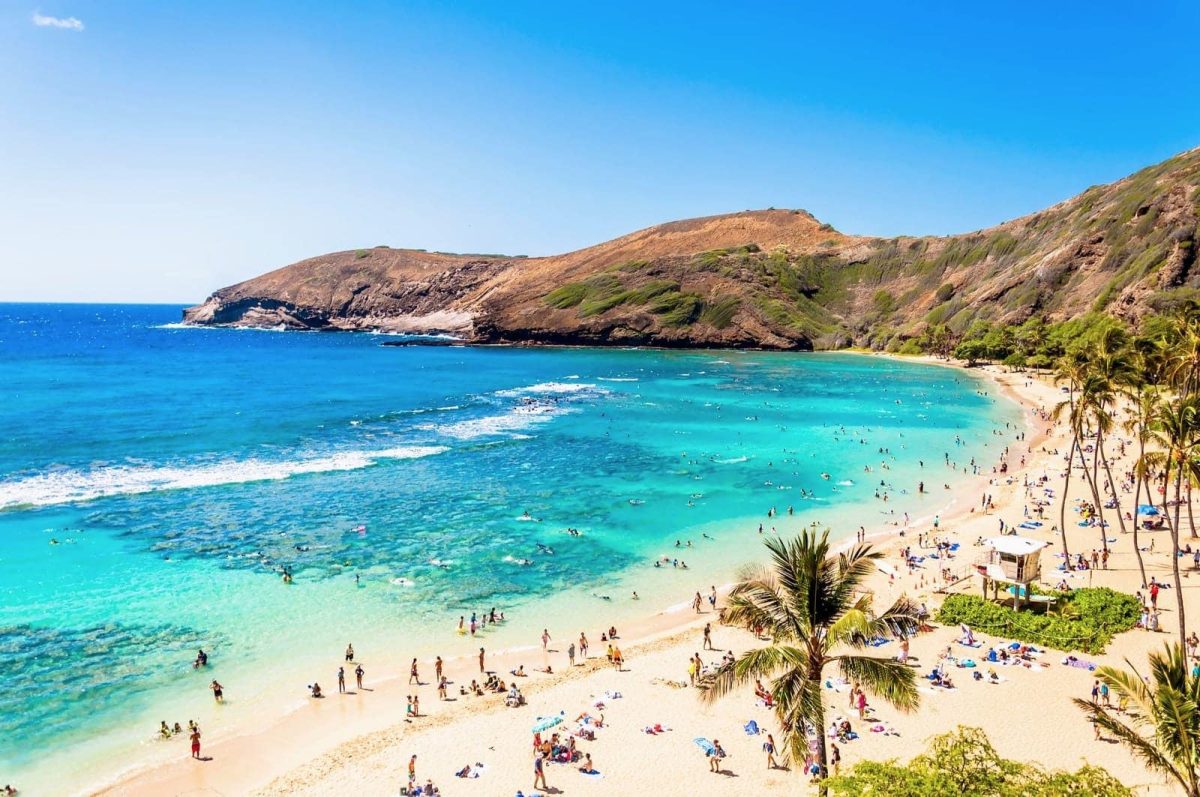
In a study conducted by IPX1031, nearly 2/3 of people were planning on travelling during the holiday season, with 44% of them traveling in November and 84% of them traveling in December. There are many possible reasons as to why the travel rates of December being nearly double what it was in November, and the most likely reason being the winter holidays for many different religions and cultures. Some of the main ones include Christmas, Hanukkah, and Kwanzaa. There are also holidays that are less common in the US, such as Chinese New Year, and Boxing Day.

Christmas is celebrated on December 25 and is a Christian holiday. Christians celebrate Christmas as the anniversary of Jesus of Nazareth, whose teachings formed the basis of their religion. There is a variety of different ways that Christmas is celebrated, but some common traditions are exchanging gifts, decorating Christmas trees, sharing a meal with family and friends, and attending church. Many people believe that Christmas originated in the Pagan holiday called Yule, which happened on the winter solstice. According to History, Pope Julius I chose the date December 25, and it’s believed that he chose that specific date in order to adopt the traditions of Yule.
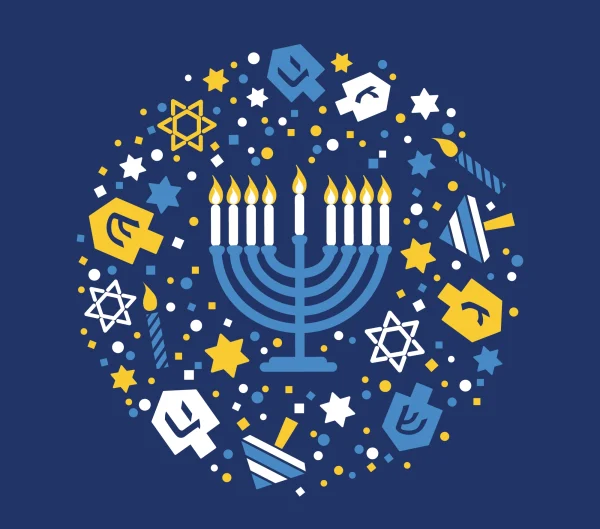
In addition to that, Hanukkah, or Chanukah, as it is also known, is an eight day Jewish holiday. Hanukkah was inspired by the events that occurred around 200 BC. The Land of Israel, also known as Judea, came under the control of the King of Syria. He allowed the Jews to continue practicing their religions, but his son, Antiochus IV Epiphanes, did not allow them the same grace. His soldiers attacked Jerusalem and slaughtered thousands, but a rebellion led by the Jewish priest and his five sons broke out against Antiochus and his monarchy. Judah, one of the priest’s sons, took the helm when his father died, and ordered his disciples to cleanse the Second Temple, which had been desecrated by Antiochus’ soldiers. Judah told them to rebuild the altar and relight the menorah. However, there was only enough untainted olive oil to keep the menorah’s candles lit for a single day. Despite that, the candles remained lit for eight nights, which left them enough time to find more oil. This event was known as a miracle and created the annual eight-day festival.
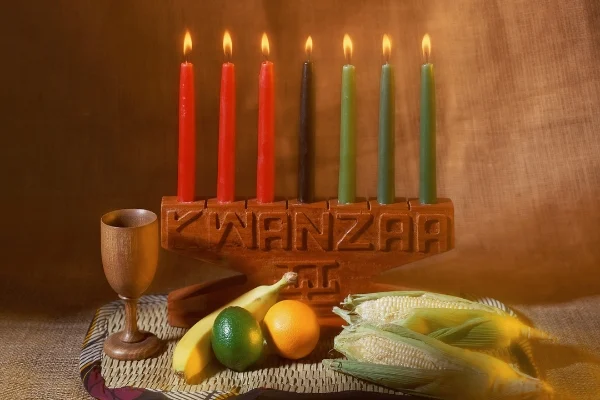
According to the National Museum of African American History and Culture, Kwanzaa is an African American and Pan-African holiday, that celebrates history, values, family and culture, created by Maulana Karenga in 1966. Karenga was a Black nationalist, later a professor, who created the holiday in order to unite the African American communities after Watts Rebellion, which had resulted in many deaths and injuries. He took the word ‘kwanza‘ from a Swahili phrase and added an extra letter to commemorate each of the seven children who were present at one of the first celebrations. The seven principles which form the core of the celebrations are Umoja (Unity), Kujichagulia (Self-Determination), Ujima (Collective Work and Responsibility), Ujamaa (Cooperative Economics), Nia (Purpose), Kuumba (Creativity), and Imani (Faith). During the week, there are a variety of different activities that surround the principle of the day. On day six, December 31, there is a large feast called Karamu.
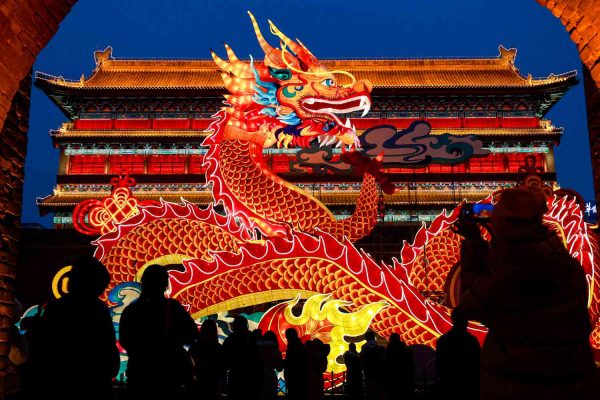
Furthermore, Chinese New Year, according to Britannica, is an annual 15-day festival in China. It starts on a new moon, and the festivities last until the full moon. This holiday is also called the Lunar New Year because the different celebrations depend on the phases of the moon. There are many legends surrounding the origin of Chinese New Year, one of them being that a monster named Nian, which is translated to “year”; it would attack villagers at the beginning of each year. The monster was afraid of bright lights, loud noises and the color red, so the villagers used those things to keep the monster away. With that, more celebrations occurred. Firecrackers, fireworks, and red clothes and decorations all became more common.

The United Kingdom and other British Commonwealth countries like Australia, Canada, and New Zealand have their own holiday called Boxing Day. Despite the name, this holiday does not typically need padded gloves because it doesn’t involve the sport in the slightest. According to History, it’s a holiday that started centuries ago on December 26 in order to celebrate servants and employees and their good work. Lords and other aristocrats would give their servants “Christmas boxes”. These boxes often had small gifts, money and leftovers from Christmas dinner. Even though the gifts are more likely to happen before Christmas in modern day, Boxing Day still remains a holiday for people to watch sports, shop and visit friends and family.
Winter remains a magical time for many different religions and cultures, and everyone has their own celebrations and traditions. It remains a time to celebrate our different beliefs and values and to learn about other traditions of which you might not have been aware. Winter holidays are an opportunity to bond people together despite their differences.