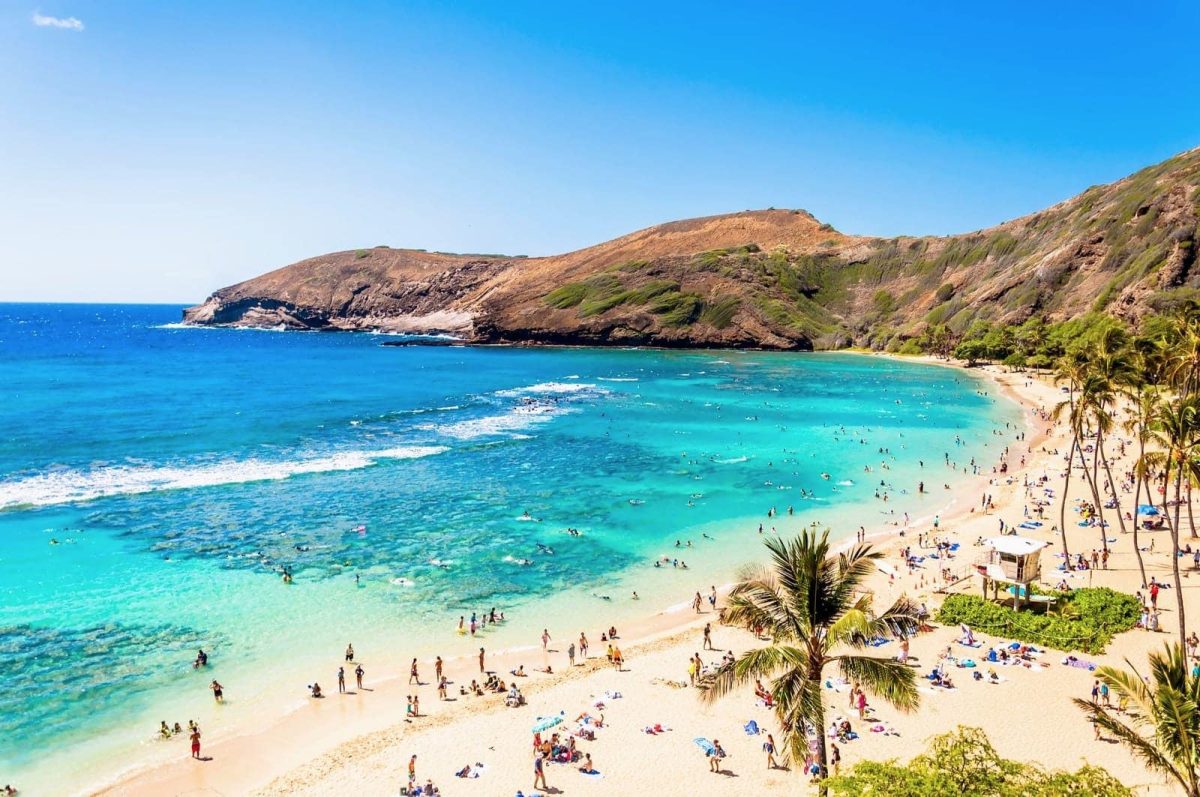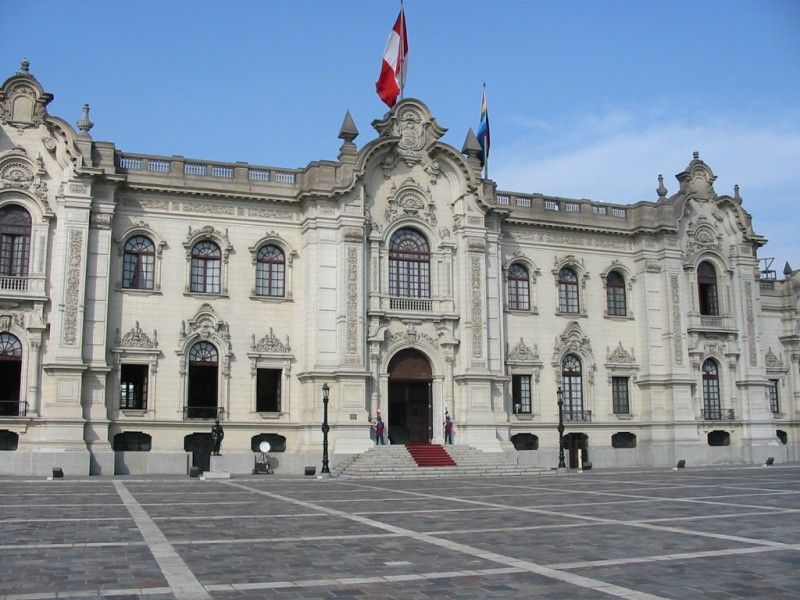
Peru is home to many tourist attractions like the Machu Picchu, Cusco, and even a portion of the Amazon Rainforest. Despite its many world, sensational tourist attractions, citizens, on the other hand, are experiencing a different side of Peru. There have been many government problems within the country of Peru. From failed presidencies to gang violence, numerous Peruvian citizens have started to revolt against the government. These protests have led to impeachments and a hope for change.
As violence and crimes have increased within the country, Peruvians have been bringing their concerns to the government yet no definite solutions seem to have been implemented. The rise of many drug trafficking organizations and gangs are the beginning of Peru’s problems. The most notable gang is “Tren de Aragua”. The timeline of their arrival varies, but it is highly believed they traveled with Venezuelan immigrants. Tren de Aragua initially was laying low, however, as they started dominating other gangs, they also began to establish themselves as a well known group within Peru. Tren de Aragua quickly became feared due to their signature recording of themselves torturing and murdering established Peru gangs. The gang originally started forming in Tocoron prison and expanded within the jail allowing its number of members to accumulate. As the group grew larger, Tren de Aragua moved to different countries within South America; the extortion tactics shifted from Venezuelan citizens to Peruvian business owners, going as far as to murder them if fees aren’t paid. However, gang violence isn’t the only problem within Peru.
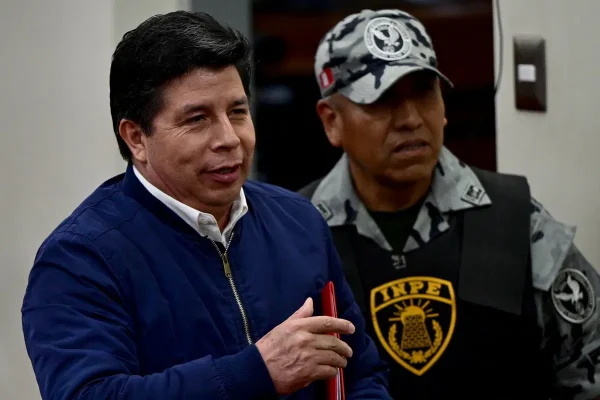
In 2021, promising candidate Pedro Castillo was elected for office. Eighteen months later, however, he was impeached. Castillo, who represented Peru Libre, won the majority in a close battle for the presidency. Peruvians believed that Castillo was supportive of the poor. He was also ran as an avid believer in education as he was a schoolteacher before, gaining recognition in 2017 for his involvement in a teacher’s strike. So how did a promising candidate get three impeachments within 18 months? Castillo faced many accusations of corruption in his short presidency. Even though Castillo had many condemnations, he couldn’t be tried under Peru’s law. However, after three impeachment attempts, all having to do with corruption, President Castillo was tried and arrested. In a way to stop his third recrimination, Castillo sought to dissolve Congress and try a “self-coup”. However, Peru’s military and police refused support, calling his actions unconstitutional leading to lawmakers successfully impeaching him. Castillo was prosecuted November 2025 with charges of conspiracy and rebellion and is going to serve an 11 year sentence. His successor, Dina Bolurate, was assumed to finish the rest of his 5 year term.
Dina Bolurate, the vice president of Pedro Castillo, was sworn in as president of Peru after Castillo’s impeachment. Bolurate became the first female president and was going to take over for the rest of his term. This, however, was proven to be met with the same distrust of the Peruvian citizens. After multiple protests begging for Bolurate’s removal, a decision was finalized on October 10th, 2025 to denounce her. Many of these protests come from Bolurate and her administration not being able to address the ongoing crime and extortion rates going up. Outlash of how the police handled protesters also created tensions between citizens and the government. Since Bolurate has been sworn into presidency, she has doubled her salary and allegedly bribed Congress at times, causing some citizens to be outraged by the growing perceived corruption within the nation. The night before her impeachment, she had to come before the court and defend herself, but she didn’t show up. That next morning, Congress voted to impeach her. This is just the latest of Peru’s horrible track record of presidents. With the way Peru elections work, there should have only been two general election cycles; however, there has been seven presidents in office since 2016, showcasing the disarray in the government.
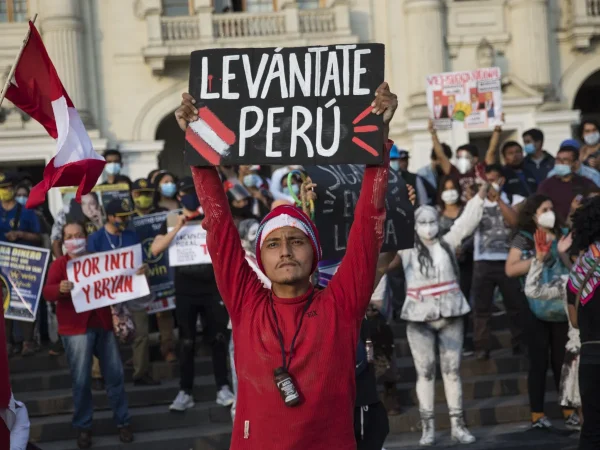
Currently, Jose Jeri was sworn in as interim president to finish out Dina Bolurate’s term. As head of Congress, he was the next in presidential succession. Ultimately, the protests started within a week of him being sworn in as many citizens cried for a clean slate. Protests over the same issues of gangs and extortions started up again. One protest left more than 100 people injured and one dead.
Important to note, during this year on April 12th, 2026, Peru will have its general elections giving the nation a chance to mend its justice system: a chance to start anew within the country. The biggest hope is to remove the crime rate within the nation and be able to find a leader the citizens feel they can believe and trust; on the other hand, Peru’s election also has potential for a detrimental outcome for the struggling nation, so many are carefully watching and hoping for change.