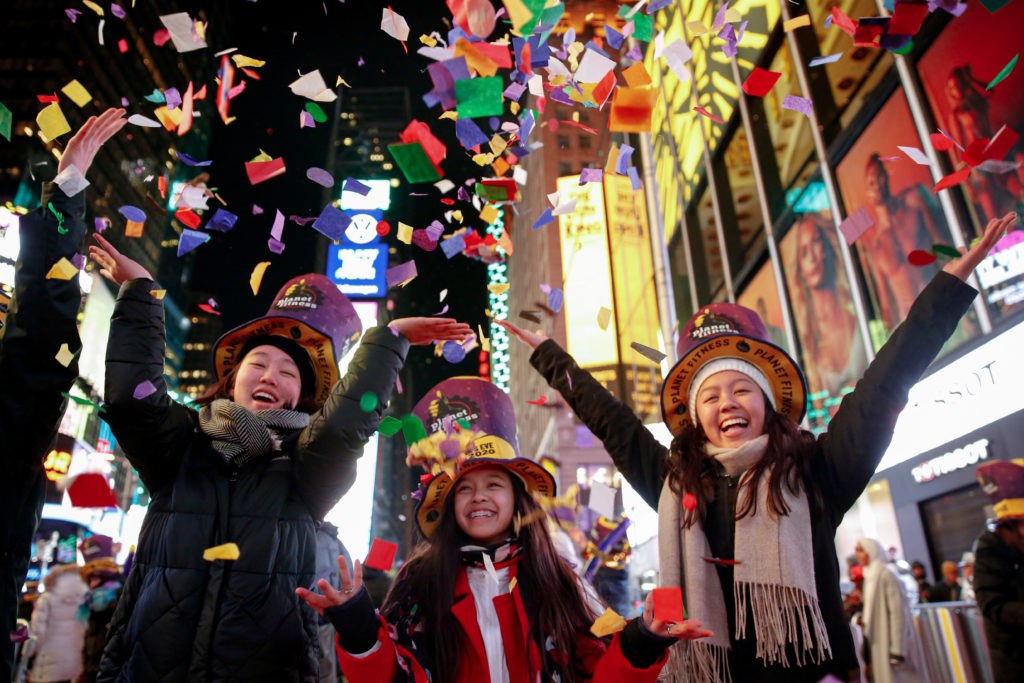
New Years is the celebration of the transition of the old year to the new year. It is celebrated around the world and seen as a symbol for new beginnings and self reflection. On the Gregorian calendar, New Years is celebrated on January 1st, while New Year’s Eve is celebrated on December 31st. Although this is how it is celebrated in the U.S, some cultures celebrate New Years as late as April. In the United States there are many different ways people celebrate New Years due to the diversity of cultures, but the most famous and typically well known celebrations are the ball drop and fireworks.
The Ball Drop is celebrated in New York’s Time square and is broadcast live on television every New Years Eve. According to an article from Times Square Official, the tradition started in 1907 and has been celebrated every year since then except throughout 1942 and 1943 due to WWll light being dimmed out in the city to conserve energy. The ball’s material has been changed about nine times throughout its history. The first version was made out of wood and iron adorned with one hundred 25-watt light bulbs; by the following November, it was changed again and is now called the constellation ball.
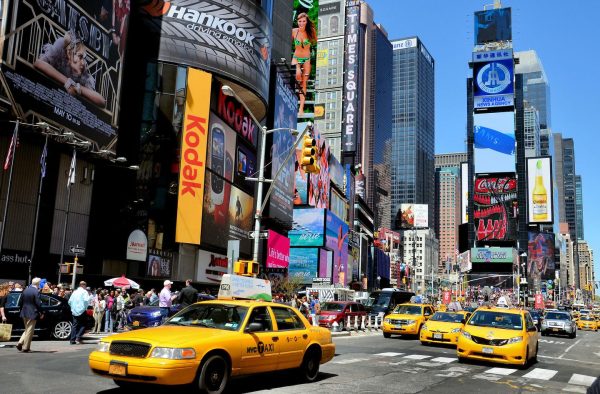
According to an article by Britannica, the ball drop was put in to replace traditional fireworks which were banned in Manhattan during the 1907 New Year’s celebration after it rained hot ash over the city worrying authorities. As a result of this ban, people were in search of new ways to celebrate the beloved holiday. The new tradition we know today was based on older practices originating back to London, England. Time balls were poles with tied up balls on the top that would drop to tell on lookers what time it was; however, in the U.S., it instead tells us when the New Year has officially started.
An article from Britanica shares that every area of the world has its own way of celebrating the New Years. For example, in the highly diverse country of India, the New Years is not celebrated on any specific date or way but has a variety of different festivals, varying by region or calendar used. To illustrate, Ugadi or Yugadi is a hindu festival celebrated on the beginning of the Hindu month, Chaitra, March to April in the Gregorian Calendar. According to the article it is also known as Gudi Padwa in the western and central state of Maharashtra, India.Ugadi is also spent praying and presenting offerings to different gods depending on which they celebrate, seeking blessings for a pure and prosperous New Year. Ugadi is also seen as a time to reflect and slowdown, Ugadi is the time to renew yourself, reflecting on things you’ve done and which to better the next year. A quote from the article shares their thoughts on the celebration, “This festival teaches us to connect with the divine that resides in each of us and provides the intuition to progress in our life.”
Another article by the Samyak Institute of Yoga & Ayurveda shares about the traditions and festivities of the Ugadi holiday. Weeks prior to the holiday people purchase items and clothes along with cleaning their homes, mango leaves, jasmines, and marigolds are also hung on doors as decoration. For people who celebrate Ugaki this symbolizes purity and positivity, and it is shown as a way to start the year fresh. There is also the creation of rangoli’s: drawings that are recognized for their beautiful intricate designs and craftsmanship. They are first made with powders and colored chalks then formed into patterns that are made by freehand or tools made especially for the art. Usually Ugadi starts with a ceremonial oil bath, and then later prayers are offered and pujas perform, other celebrants are offered sweets and dishes.

The United State’s way of celebrating New Years with large festivities is no different in Brazil. Like in many countries they also celebrate with fireworks and celebrations, an article published by the University of San Francisco written by exchange student Julia de Oliveira Gonclaves, shares the festivities of the celebration in Brazil. In Oliveria’s article, she writes about her experiences of being an exchange student. A quote from her article shows her thoughts: “I realize how meaningful these special days are and how they shape the rhythm of life in Brazil.” New Year’s in Brazil is celebrated simultaneously with United States celebrations due to both of them sharing the use of the same calendar; however, in Brazil, New Year’s Eve is called “Révellion” which is the direct Portuguese translation of New Year’s Eve.
In contrast to the more popular way of celebrating this holiday usually with family and friends in private settings, New Year’s and New Year’s Eve is celebrated publicly among citizens in Brazil.This is due to the long standing traditional celebrations for example the lighting of fireworks along the coastlines of popular beaches like Copacabana Beach in Rio de Janeiro. Also, in Brazil, there are many other ways people celebrate the coming of the New Year; for example, Brazilians wear all white to symbolize purity, while hoping for a pure and fresh start for next year. The jumping of the seven waves is also a popular celebration, where people attend shorelines while wearing their white attires. Every wave they jump is one thing they wish for the upcoming year. In 2017 NPR’s Weekend Edition Sunday Podcast also showed the tradition of tossing flowers or other offerings into the water in hopes of Lemanjá, ¨Queen of the Sea¨ to give them a blessed New Year.
To sum it up, a common New Year’s theme often prevails: it is a time for family and friends to come together to wish for themselves and others good luck and prosperity for the new year. It doesn’t matter where or when it’s celebrated, the love shared between others in these celebrations is something that is always a constant.