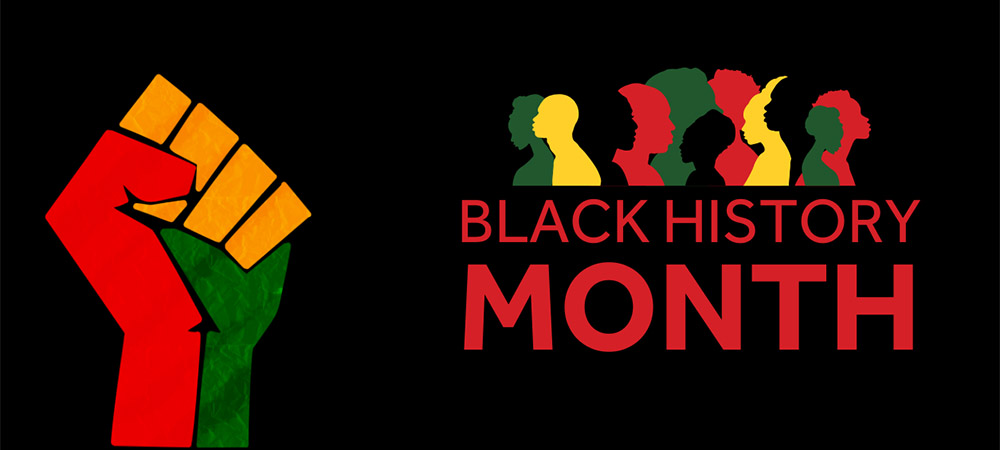
What does Black History Month, celebrated every February, mean to you? Do you feel like it is still relevant? Or has it lost its importance and become a way for companies to profit? This past month, Black History was celebrated by recognizing the accomplishments and acknowledging the hardships of Black Americans though Black History Month wasn’t always celebrated for an entire month.
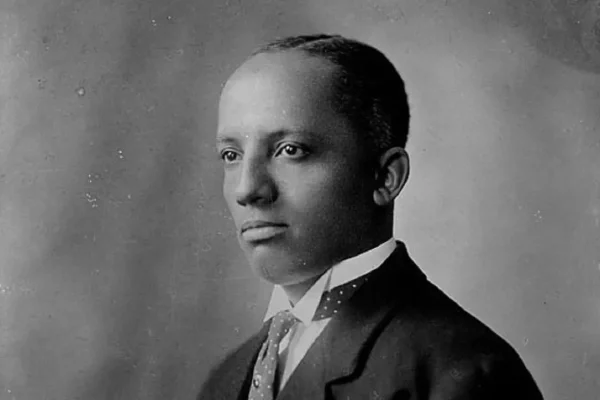
Before Black History Month was established, it used to be Negro History Week. Created by Carter G. Woodson in February 1926, it was the second week of February in honor of the birthdays of both Frederick Douglass and Lincoln. Carter G. Woodson believed that he had to use Black history to support racial uplift. Woodson hoped that by creating this week, it would prove to White Americans that Black people had contributed to American history and culture; therefore, Black Americans deserved to be treated as equals. After its creation, many schools and leaders began recognizing the importance of this week just as Woodson had wanted.
As mentioned, Negro History Week later turned into Black History Month officially in 1976 when President Gerald Ford decided to “honor the too-often neglected accomplishments of Black Americans in every area of endeavor throughout our history” by extending Negro History Week to occur over the course of the whole month. Black History Month honors every Black American, starting from the slaves who were first brought over in the 17th century all the way to those who are alive today. Some especially notable equal rights activists include Dr. Martin Luther King Jr., Rosa Parks, and Malcolm X. Alongside Harriet Tubman, a runaway slave who helped other slaves escape through the Underground Railroad, and Barack Obama, the first African-American president of the US. Black History Month is about more than just those famous people though. It also honors all the slaves who suffered and fought for freedom.
Some might think that there is no longer a need for this month. In 1988, a study by the Smithsonian Institution showed that out of 10,000 Americans, 92% of White respondents felt that slavery didn’t affect them as their ancestors had arrived after slavery was outlawed. All the more shocking was the fact that 79% of African Americans had no interest or were embarrassed about the topic of slavery. This inspired the Smithsonian National Museum of American History to want to mount an exhibition on slavery, but it also found that it had nothing that represented slavery due to the lack of interest and sharing by the African American Community.
Black History Month still holds its importance today. It helps us remember and honor the struggle African Americans had to go through. Some ways you can celebrate Black History Month include learning about Black history, reading books written by Black authors, supporting Black-owned businesses, donating, and many more. Don’t feel like you’re only limited to February as continuing your efforts throughout the year promotes equality for people today.