In today’s world, it feels almost impossible to escape the pressure to buy more things. Whether it’s the latest clothing trend, a new phone upgrade, or viral products on social media, overconsumption has become a normal part of everyday life, especially among teens. Overconsumption is overuse of natural goods and services. It’s driven by consumerism and marketing, leading to environmental problems and climate change. Apps like Tiktok and Instagram constantly promote “must-have” items through influencer trends like clothing hauls, “Get Ready With Me” videos, and seasonal aesthetics. Soon enough, everyone has all of these products and trendy items for about 2 months before discarding or forgetting about them. While these trends may seem harmless or even fun, they are actually contributing to serious environmental, social, and physiological problems that are ignored most of the time.
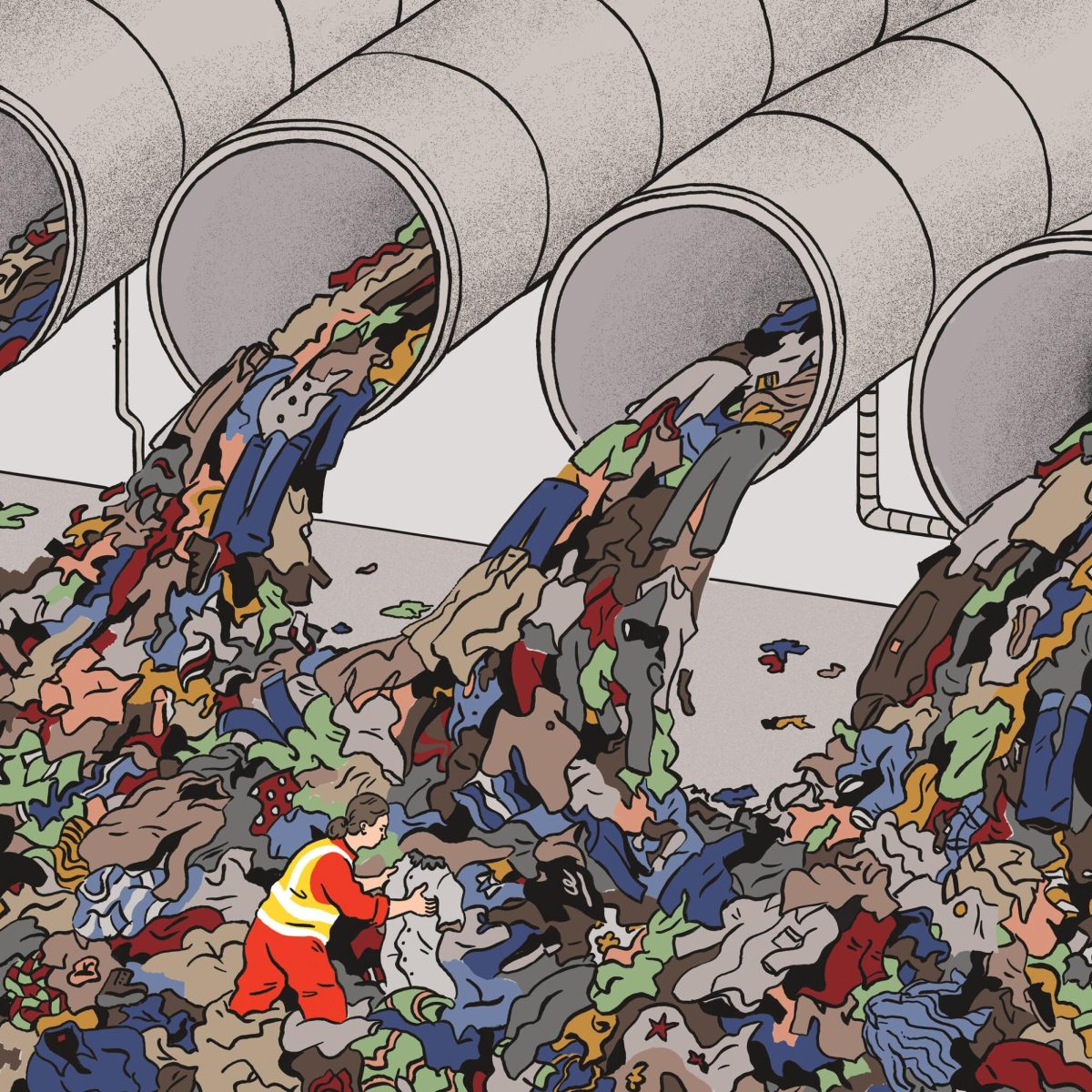
One of the biggest examples of overconsumption is fast fashion. Fast fashion is cheap clothing, which is produced quickly to match the current trends. It keeps up with what’s in style, and then taken off of shelves just weeks later to cycle in new clothes and trends. Brands release new styles weekly, encouraging people to constantly buy new outfits instead of rewearing old ones. These brands advertise these clothes with the trends in mind: they appeal to the current up to date trends, not only in the clothes that they sell, but the words they use as well. These get people’s attention and persuade them to buy more clothes. According to research, the average person buys 60% more clothes than they did 15 years ago, but only keep them for half as long. This creates a “throwaway culture” where clothes are worn only a few times before being discarded. Social media plays a big role in this by making people feel like they always need something new to be able to fit in.
The environmental impact of overconsumption, especially through fast fashion, is extremely serious. The fashion industry is responsible for about 8-10% of global greenhouse gas emissions and produces a sea of waste each year.
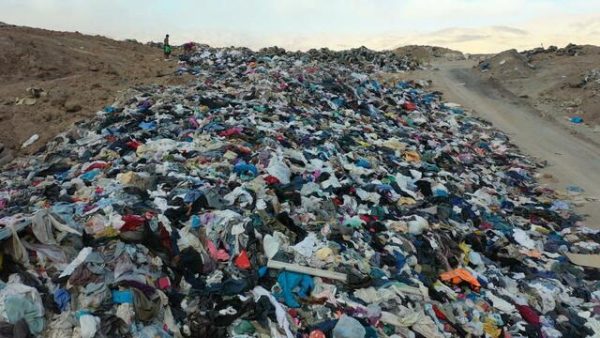
In fact, around 92 million tons of textile waste are created every year, most of which ends up in landfills. Many of these clothes are made from synthetic materials like polyester, which can take hundreds of years to decompose and release harmful microplastics into the environment. Producing these clothes involve chemical dyes and toxins, which make their way into the waterways. This affects not only land, but aquatic ecosystems as well. Even something as simple as a cotton shirt can require more than a hundred gallons of water to produce, showing how much natural resources are being used just to keep up with trends.
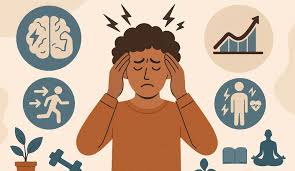
Social media has made overconsumption even worse by creating a cycle of trends and microtrends, For example, trends like Y2K fashion, clean girl aesthetic, or coastal grandmother rise and fall within months, pushing people to keep buying new clothes to match the latest look. Influencers often post massive shopping hauls from brands like Shein and Amazon, promoting the idea that buying more equals happiness. This leads to what experts call psychological obsolescence, where people feel like their perfectly good items are outdated simply because trends have changed. As a result, people replace things they don’t actually need to. This not only affects the environment, but one’s mental health as well. These clothing trends can confuse your mind: you become happy with the clothes you buy for a short amount of time and then become unsatisfied with it only months later. This may have a long term effect on your brain, making you always want more and never being able to be fully satisfied.
In conclusion, overconsumption has a long lasting effect on the environment as well as mental health. This mainly comes from the recent spike in trends from social media over the past few decades. It’s important to know these dangers, like polluted waterways and psychological obsolescence, to be able to prevent these things from happening in the future. Understanding the dangers of overconsumption also helps people not give into it. Having perception of these things prevents people from following trends just because they are popular. The next time you go shopping and want to participate in the most recent trends, consider whether you actually need it, or if the clothes you have at home are better than you think they are.