According to Americanaddictioncenters.org, in 2024, 16.8% or 48.4 million Americans over the age of 12 struggled with substance abuse. Addiction affects a wide variety of people all over the world. Whether it involves drugs, alcohol, or many other things, addiction can have a big impact on your life and the people around you. Once you fall into the trap of addiction, it’s hard to climb your way back out. It follows patterns and creates certain behaviors to keep you in the loop and keep you wanting more and more. Addiction has many causes. It is physiological and can have many effects on a person’s life.
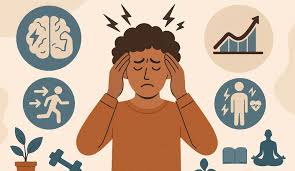
Addiction is considered a psychological disease and can be developed in a multitude of different people. Addiction involves what we call a reward system in the brain. This reward system is made up of many different pathways in the brain that are used to transmit controls in our body. The pathways use a chemical called dopamine to encourage certain behaviors such as learning, movement, motivation, and of course, addiction. Addiction develops over time because our brain and body remember patterns and feelings. When someone consumes a substance, it triggers a release of dopamine, a hormone in the brain that makes someone’s body feel good. Because the brain remembers patterns and feelings, our body remembers experiencing the big dopamine rush that came from the substance and is tricked into wanting more. It craves that feeling, causing a person to keep going back to that substance or maybe even more substances. The more you keep going back, the stronger the urge becomes. This is your brain’s reward system working.
Additionally, addiction can occur in many different circumstances such as in the following: genetic situations, surrounding environment, stress, trauma, and age. Studies show that if you have a biological sibling or parent with an addiction, you are much more likely to develop an addiction. This is because you inherit traits from family members; some of which may include a weaker reward system. Your environment can also have an impact on chances of addiction. This could be things like friends, family, coworkers or even places you visit and stressful surroundings. If you are surrounded by drugs and/or people who use drugs, you are more likely to develop an addiction. For example, it was recorded that in 2023, 39.1% of Americans developed an illegal pain medication addiction from peers. This is a great reminder that you are who you surround yourself with. Age can also have a big factor in addiction. People are more likely to develop a drug addiction as an adult if they have used drugs under the age of fifteen. Therefore, it is helpful to have a stable living situation with stable people around you. It’s important to stay aware of possible risks of addiction.
Major cases of addiction, furthemore, can result in many long term and short term effects, more particularly drug and alcohol addictions. Substance abuse can have a major impact on the way your brain cells function long after recovery from addiction. Physically, substance addiction can result in cancer, stroke, lung disease, cardiovascular disease and much more. Addiction can change you mentally too. It can alter behavioral patterns and personality. Using substances changes someone in ways that are hard to undo. Some people could feel afraid that family or friends will become judgemental or disapprove of their misuse of drugs. This can lead to people downplaying their addiction and possibly lying to themselves to justify their addiction. Aggression can spur from withdrawal or a lack of control with the use of substances. Not all users will experience all of these symptoms, but it is important to be aware of what could come from substance abuse. Not just behavioral changes can occur though, it is common for addiction to increase stress and anxiety levels, as well as induce depression and isolation.
Overall, addiction is serious and people should understand the consequences of addiction. It’s important to avoid substances and create balance in your everyday life to help with this. You can avoid addiction by remembering to say “no” and actively managing your life to help you fight off peer pressure and avoid substances. If you do fall victim to addiction, it can be manageable. For instance, you can go to a rehabilitation center. At rehab, you can gain access to counseling and support during your recovery. The Substance Abuse and Mental Health Services Administration National Hotline at 1-800-662-HELP (4357) is a good place to start. Addiction can have major effects on everyday life, so it is viable to steer clear of any risk of addiction.